
What Are the Two Types of Hip Impingement?
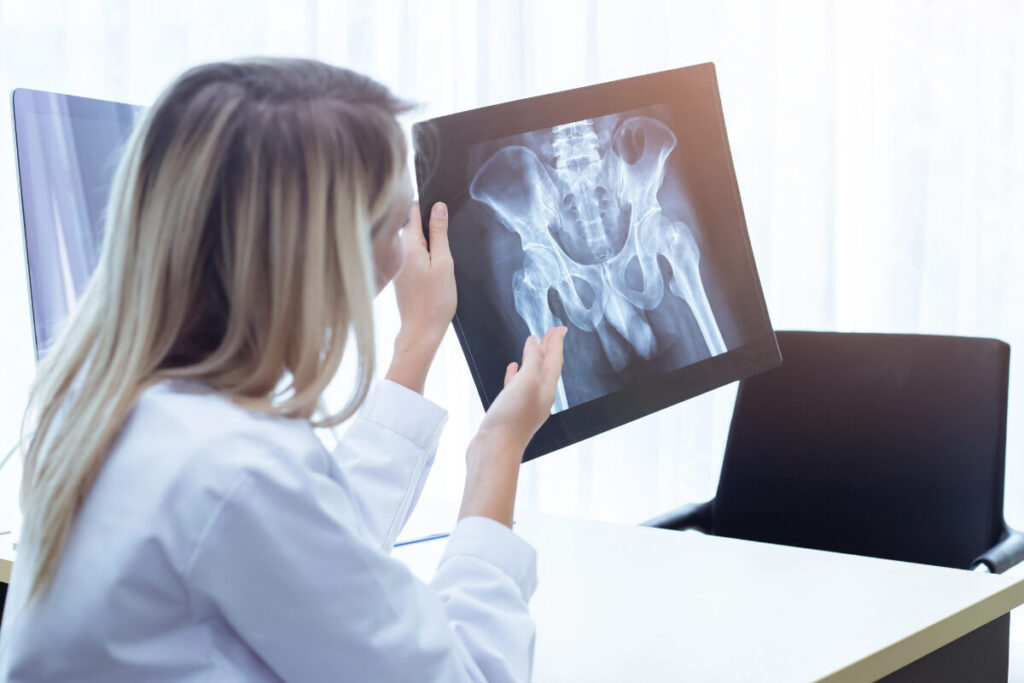
Hip impingement, also known as femoroacetabular impingement or FAI, happens when the bones of the hip joint do not move together as smoothly as they should. This can cause pain, stiffness, and a pinching sensation, especially during activities that involve bending or rotating the hip.
There are two main types of hip impingement: cam impingement and pincer impingement. These describe where the abnormal contact happens within the hip joint.
Some patients may also have a combination of both types, known as combined impingement.
In this article, we will explain the two main types of hip impingement, how they differ, and why understanding the type can help guide the right treatment.
What Is Hip Impingement?
Hip impingement, or femoroacetabular impingement (FAI), occurs when the ball and socket of the hip joint do not fit or move together as smoothly as they should.
In a healthy hip, the ball-shaped top of the thigh bone moves freely inside the socket. With hip impingement, extra bone or an abnormal shape in the joint can cause the bones to rub or pinch during movement.
This repeated friction can irritate the joint and may affect the cartilage or labrum, which helps cushion and stabilise the hip.
As a result, patients may experience groin pain, stiffness, clicking, catching, or reduced range of motion, especially during activities such as sitting, squatting, running, or rotating the hip.
What Are the Two Main Types of Hip Impingement?
The two main types of hip impingement are cam impingement and pincer impingement.
Cam impingement happens when the ball of the hip joint is not perfectly round. Because of this shape, the ball does not rotate smoothly inside the socket and can cause friction during movement.
Pincer impingement happens when the socket covers too much of the ball. This can cause the edge of the socket to pinch against the labrum or other structures inside the joint.
Some patients can have features of both cam and pincer impingement. This is known as combined impingement.
What Is Cam Impingement?
Cam impingement occurs when the ball of the hip joint is not perfectly round.
This abnormal shape can cause the ball to rub against the edge of the socket during movement, especially when the hip is bent or rotated. Over time, this repeated friction can irritate the joint and may damage the cartilage or labrum.
Patients with cam impingement often feel pain in the groin or front of the hip. The hip may also feel stiff, tight, or restricted, particularly during activities such as squatting, running, cycling, or sitting for long periods.
Cam impingement is commonly seen in active people and athletes, but it can affect anyone.
What Is Pincer Impingement?
Pincer impingement occurs when the hip socket covers too much of the ball of the hip joint.
This extra coverage can cause the rim of the socket to pinch against the labrum during movement. The labrum is the soft tissue around the socket that helps keep the hip stable and cushioned.
Pain from pincer impingement is often felt in the groin or front of the hip, especially when bending, squatting, or rotating the hip. Some patients may also notice clicking, catching, or a sharp pinching sensation inside the joint.
Over time, repeated pinching can irritate or damage the labrum and may contribute to ongoing stiffness, discomfort, and reduced movement.
Can You Have Both Types at the Same Time?
Yes, some patients can have both cam and pincer impingement at the same time. This is known as combined impingement.
Combined impingement means there is an abnormal shape on the ball of the hip joint, as well as extra coverage from the socket. Because both areas are involved, the hip may be more likely to pinch or rub during movement.
The symptoms can be similar to cam or pincer impingement alone. Patients may experience groin pain, stiffness, reduced range of motion, clicking, catching, or discomfort during activities such as squatting, running, or sitting for long periods.
Because the symptoms often overlap, imaging such as X-rays, MRI, or CT scans may be needed to confirm the exact type of hip impingement and guide the right treatment plan.
How Are the Different Types Diagnosed?
The different types of hip impingement are diagnosed through a combination of symptoms, physical examination, and imaging.
A specialist will usually ask where you feel the pain, which movements make it worse, and whether you have symptoms such as clicking, catching, stiffness, or reduced range of motion.
During the examination, the hip is moved into different positions to see if certain movements reproduce pain or a pinching sensation. This can help identify whether the symptoms are likely coming from the hip joint.
Imaging is often needed to confirm the type of impingement. X-rays can show the shape of the ball and socket, while an MRI can assess the labrum, cartilage, and soft tissues. In some cases, a CT scan may be used to look at the bone structure in more detail.
Identifying whether the impingement is cam, pincer, or combined helps guide the most appropriate treatment plan.
Does the Type of Hip Impingement Affect Treatment?
Yes, the type of hip impingement can affect treatment, but the decision is not based on the type alone.
Treatment depends on your symptoms, the severity of the impingement, your activity level, and whether there is any damage to the labrum or cartilage inside the joint.
Many patients start with non-surgical treatment, such as physiotherapy, activity modification, and pain management. This can help reduce symptoms and improve hip function, even if the shape of the joint does not change.
If symptoms continue despite proper rehabilitation, surgery may be considered. The type of impingement can help the surgeon plan the procedure, such as reshaping the ball, trimming the socket, or repairing the labrum if needed.
The goal of treatment is to reduce pain, improve movement, and help protect the hip joint from further irritation or damage.
Conclusion
The two main types of hip impingement are cam impingement and pincer impingement.
Cam impingement happens when the ball of the hip joint is not perfectly round, while pincer impingement happens when the socket covers too much of the ball. Some patients can also have both types at the same time, which is called combined impingement.
Understanding the type of hip impingement can help guide treatment, but the right approach depends on your symptoms, examination findings, and imaging results.
If you have ongoing hip or groin pain, stiffness, or a pinching sensation during movement, a specialist assessment can help confirm the diagnosis and recommend the most suitable treatment.