
What Are the Symptoms of Hip Impingement Syndrome?
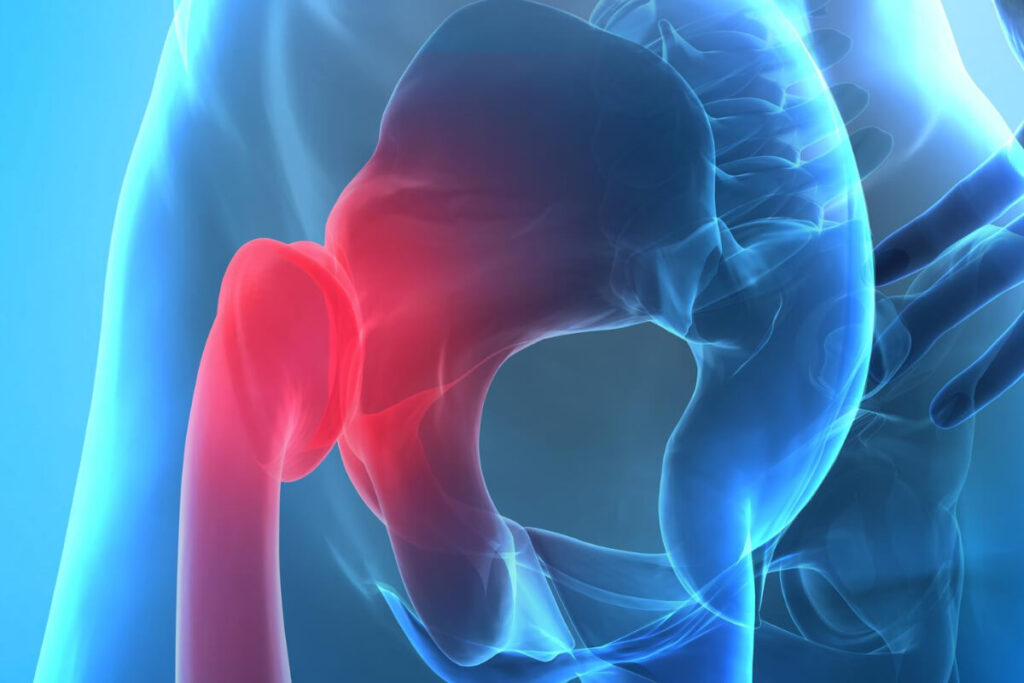
If you’ve been getting a nagging pain in your groin that flares up when you sit for long periods, squat, or twist during sport, it’s natural to wonder what’s causing it. One common but often overlooked cause is hip impingement syndrome, also known as femoroacetabular impingement, or FAI. It’s a condition I see regularly in clinic, particularly in active adults, and the earlier it’s recognised, the more treatment options are available.
This guide walks through the key symptoms of hip impingement, why they happen, and when it’s worth booking an assessment.
What Is Hip Impingement Syndrome?
Hip impingement occurs when the ball and socket of the hip joint don’t move against each other quite as they should. Instead of gliding smoothly, the femoral head (the “ball”) catches or pinches against the rim of the acetabulum (the “socket”) during certain movements, particularly when the hip is bent and rotated.
This happens because of subtle differences in the shape of the bones. In cam impingement, the femoral head isn’t perfectly round, so it doesn’t rotate cleanly within the socket. In pincer impingement, the socket covers more of the femoral head than it should, so the two bones meet too early in the hip’s range of motion. Many patients have a combination of both. Over time, this repeated friction can irritate the labrum, the ring of cartilage that lines the socket, and the surrounding joint surfaces.
FAI is most common in people under 50 who are physically active, including runners, footballers, dancers, and anyone who does regular squatting, lifting, or twisting movements. It can also affect people who sit for long periods, since deep hip flexion in a seated position can provoke symptoms.
The Main Symptoms of Hip Impingement
Groin Pain
The hallmark symptom of hip impingement is a deep, aching pain in the groin, often described as being “inside” the hip joint rather than on the surface. It’s usually on one side, although both hips can be affected. Pain in the buttock, outer hip, lower back, or even down towards the knee can also occur, which sometimes leads people to be misdiagnosed with a back or muscle problem before the hip is properly examined.
Pain With Specific Movements
A useful clue is that hip impingement pain tends to follow a pattern. It’s commonly triggered or worsened by:
- Sitting for long periods, especially in low chairs or on long car or plane journeys
- Squatting, lunging, or deep bending at the hip
- Getting in and out of a car
- Putting on shoes and socks
- Twisting or pivoting, such as when playing football or golf
- Prolonged walking or running
If you notice your hip consistently complains during these specific activities rather than all the time, it’s a strong indicator worth mentioning to a specialist.
Stiffness and Reduced Range of Motion
Many people with FAI notice their hip feels tight or stiff, particularly with movements that bring the knee up towards the chest or rotate the leg inward. This stiffness can develop gradually, so it’s sometimes mistaken for general tightness from sport or ageing rather than a joint problem.
Clicking, Catching, or a Locking Sensation
Some patients describe a clicking, catching, or “giving way” feeling in the hip, particularly during rotation. This can suggest irritation or a tear of the labrum alongside the impingement itself, and is worth flagging clearly when you describe your symptoms to a clinician.
Pain That Builds Gradually
Hip impingement symptoms often start mild and intermittent, appearing only after sport or a long day of activity. Left unaddressed, the pain can become more frequent and start to limit day-to-day activities, sport, or exercise. This gradual pattern is one of the reasons FAI is often missed in its early stages.
When Should You See a Specialist?
It’s worth arranging an assessment if you have persistent groin or hip pain that:
- Has lasted more than a few weeks
- Is affecting your ability to exercise, work, or sleep
- Is accompanied by clicking, catching, or a sense of instability
- Hasn’t improved with rest or over-the-counter pain relief
Getting an accurate diagnosis early matters. Left untreated, the repeated joint friction associated with FAI can contribute to cartilage and labral damage, and in some cases to earlier onset of hip osteoarthritis. That doesn’t mean everyone with hip impingement needs surgery, but it does mean a proper assessment is worthwhile rather than assuming it will settle on its own.
How Is Hip Impingement Diagnosed?
Diagnosis usually starts with a detailed history and a clinical examination, including specific tests that reproduce the pinching sensation by moving the hip into flexion and rotation. This is typically followed by imaging: an X-ray to assess the shape of the bones, and often an MRI, which can also show whether the labrum or cartilage has been affected.
Treatment Options
Not every case of hip impingement requires surgery. Many patients improve with a structured, non-surgical approach first, including:
- Activity modification to reduce movements that provoke symptoms
- Physiotherapy focused on hip mobility, core, and pelvic control
- Anti-inflammatory medication or, in some cases, a guided injection to settle symptoms
Where symptoms persist despite this, or where there’s significant structural damage such as a labral tear, hip arthroscopy may be recommended. This is a keyhole procedure used to reshape the bone and repair damaged cartilage or labrum, aiming to relieve pain and restore normal hip mechanics. Most patients who undergo hip arthroscopy for FAI are able to return to sport and activity, though recovery time varies depending on what’s found and treated during surgery.
Getting an Accurate Diagnosis
Hip pain has several possible causes, from muscle strains to lower back problems to early arthritis, so the symptoms above aren’t a substitute for a proper clinical assessment. If groin pain, stiffness, or clicking in your hip is holding you back from the activities you enjoy, it’s worth having it looked at by a specialist who can confirm the diagnosis and talk you through the right next steps for your situation.
Mr Mark Webb is a fellowship-trained consultant orthopaedic surgeon specialising in knee and hip surgery, including hip arthroscopy, seeing patients at clinics in London and Surrey. If you’d like an assessment for hip or groin pain, get in touch to arrange a consultation.