
What Happens if ACL Reconstruction Fails?
ACL (anterior cruciate ligament) reconstruction is one of the most successful orthopaedic procedures, helping patients regain knee stability and return to activity. However, in some cases, the reconstruction can fail, meaning the graft doesn’t function as expected or the knee becomes unstable again.
Understanding the causes, symptoms, and treatment options is crucial for anyone experiencing ongoing knee issues after surgery.
Signs That ACL Reconstruction Has Failed
The most common signs of ACL failure include:
- Knee instability — a feeling that the knee “gives way” during movement
- Persistent swelling or pain — despite full rehabilitation
- Difficulty with pivoting or twisting motions
- Loss of confidence in the knee
- Reduced range of motion or stiffness
- Clicking or locking sensations in the joint
If you notice these symptoms, it’s important to consult your orthopaedic surgeon for evaluation.
Why ACL Reconstruction Fails
Several factors can contribute to a failed ACL reconstruction.
1. Graft Failure
The new ligament (graft) can re-tear due to trauma, poor healing, or improper tension during surgery.
2. Technical Errors
- Incorrect tunnel placement (where the graft is anchored) is a leading cause of surgical failure.
- Misalignment can prevent the graft from functioning properly, causing instability.
3. Poor Rehabilitation or Early Return to Sport
- Inadequate physiotherapy or returning to sport too early can overstress the graft.
- A gradual, structured rehabilitation program is essential for success.
4. Biological Factors
- In some cases, the graft doesn’t integrate with surrounding tissue as expected.
- Smoking, poor nutrition, or infection can interfere with healing.
5. Associated Knee Damage
If other structures, like the meniscus or cartilage are damaged or untreated, they can affect stability and lead to ongoing symptoms.
What to Do If ACL Reconstruction Fails
If you suspect your ACL surgery has failed, your surgeon will perform an assessment, which may include:
- Physical examination of knee stability
- MRI scan to evaluate graft condition
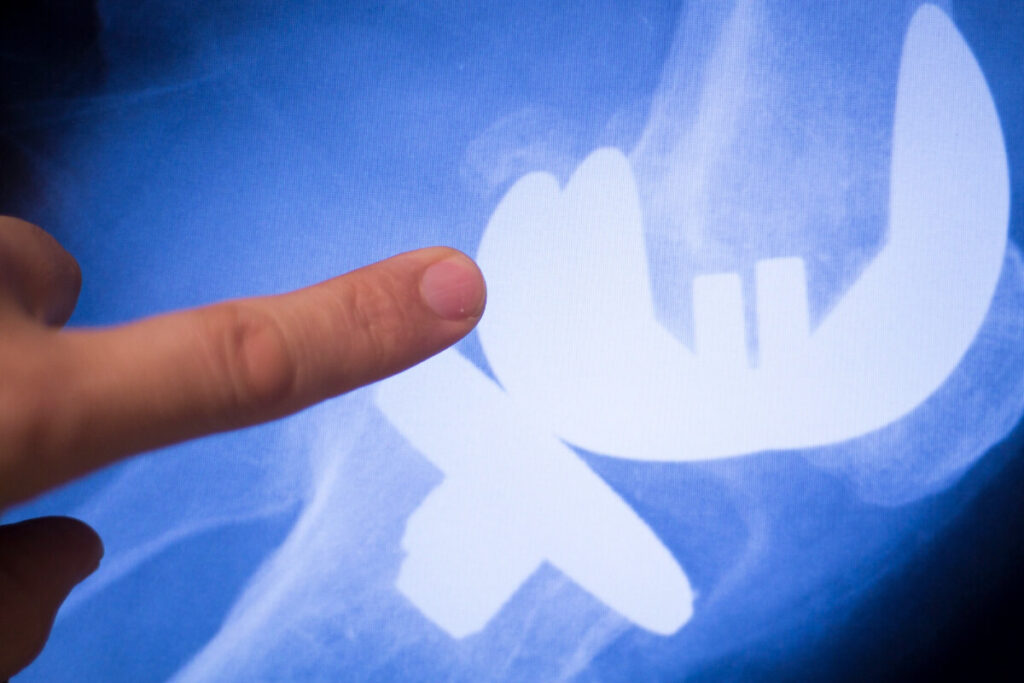
- X-rays to check bone tunnel placement
1. Non-Surgical Options
- Physiotherapy to strengthen supporting muscles
- Knee braces to improve stability during daily activities
- Injections (such as PRP or cortisone) to manage inflammation
2. Revision ACL Reconstruction
If instability or graft failure is confirmed, a revision ACL reconstruction may be necessary.
- The old graft is removed, and a new one is placed in the correct position. This may require two operations if the tunnels cannot be reused.
- Additional procedures may be done to repair associated cartilage or meniscus injuries.
- Recovery is often longer than the first surgery but can lead to excellent results.
How Common Is ACL Reconstruction Failure?
Failure rates are relatively low, affecting around 5–10% of patients.
- Younger, active athletes face a slightly higher risk due to their return to high-impact activities.
- With proper surgical technique and rehabilitation, most reconstructions are long-lasting and successful.
Preventing ACL Reconstruction Failure
- Choose an experienced orthopaedic surgeon who specialises in knee ligament surgery.
- Follow your physiotherapy program consistently.
- Avoid returning to sport until cleared by your surgeon.
- Maintain good overall health to support healing.
Conclusion
A failed ACL reconstruction can cause pain, instability, and frustration, but it can often be corrected. The most common causes include graft failure, tunnel misplacement, and inadequate rehabilitation.
If you suspect your ACL surgery hasn’t healed properly, seek a specialist assessment. With proper diagnosis and, if needed, revision surgery, many patients regain full stability and return to an active lifestyle.