
Why Is My ACL Recovery Taking So Long?
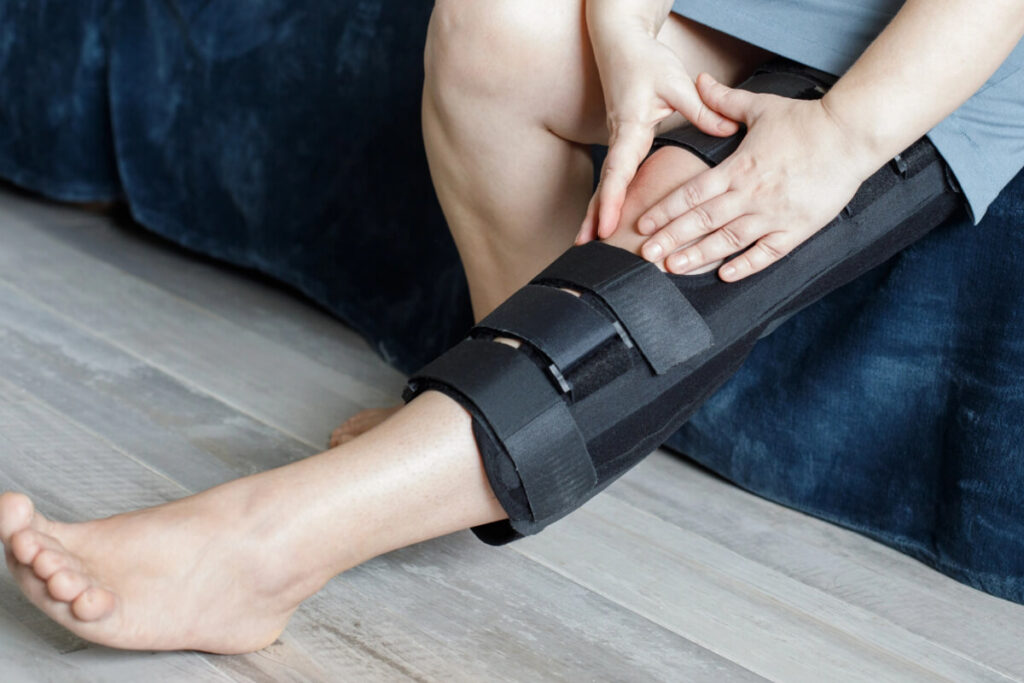
ACL (anterior cruciate ligament) reconstruction is major knee surgery that requires patience, commitment, and proper rehabilitation. While many patients expect to feel “normal” after a few months, full recovery can takes 9 to 12 months or longer.
If your progress feels slower than expected, you’re not alone. There are several factors that can delay healing — most of which can be corrected with the right approach.
1. Ongoing Swelling or Inflammation
Swelling after ACL surgery is normal, but if it persists for months, it can slow recovery. Excess fluid in the knee limits range of motion and makes muscle activation more difficult.
What to do:
- Use ice and compression regularly.
- Elevate your leg above heart level when resting.
- Check with your surgeon if swelling doesn’t improve — it may signal overuse or inflammation.
2. Limited Range of Motion (ROM)
A stiff knee is one of the most common reasons for delayed recovery. Regaining full extension (straightening) early is critical for proper walking and muscle control.
What to do:
- Prioritise stretching and mobility exercises under guidance.
- Use gentle bending and straightening movements daily.
- Don’t skip physiotherapy sessions — early intervention prevents long-term stiffness.
3. Weak Quadriceps or Hamstring Muscles
After surgery, muscles around the knee quickly lose strength, especially the quadriceps. Weakness delays your ability to walk normally and increases the risk of re-injury.
What to do:
- Focus on targeted strengthening exercises prescribed by your physiotherapist.
- Avoid comparing progress with others — recovery speed varies.
- Consistency matters more than intensity in early stages.
4. Overtraining or Returning Too Soon
Pushing too hard too early can set your recovery back. The graft needs time to integrate into the bone, and excessive stress can damage it.
What to do:
- Follow your physiotherapist’s timeline — not your own expectations.
- Avoid high-impact activities (jumping, pivoting) until cleared.
- Listen to your body and rest when needed.
5. Poor Adherence to Physiotherapy
Skipping exercises or appointments can slow recovery dramatically. The success of ACL reconstruction depends as much on rehab as it does on surgery itself.
What to do:
- Treat rehab like a second job — consistency is key.
- Communicate openly with your physiotherapist about pain or setbacks.
6. Scar Tissue Formation (Arthrofibrosis)
Excess scar tissue inside the knee can cause stiffness, limited motion, and pain. It’s one of the more serious causes of delayed recovery.
What to do:
- Seek medical evaluation if you can’t fully straighten or bend your knee by 6–8 weeks post-surgery.
- Early physiotherapy and stretching can often prevent this complication.
7. Psychological Barriers
Fear of re-injury, loss of motivation, or anxiety can subconsciously limit progress. Many patients struggle with confidence during the later stages of rehab.
What to do:
- Set realistic goals and celebrate small wins.
- Work with a sports psychologist or therapist if fear is holding you back.
- Gradual exposure to activity helps rebuild trust in your knee.
8. Underlying Complications
In rare cases, persistent pain or poor progress may be due to:
- Infection
- Graft failure or poor fixation
- Meniscus or cartilage injury
- Incorrect tunnel placement during surgery
If progress stalls despite proper rehab, your surgeon may recommend an MRI or further evaluation.
Conclusion
If your ACL recovery feels slow, it doesn’t necessarily mean something is wrong. Most delays are caused by swelling, stiffness, weak muscles, or pushing too hard too soon — all of which can be managed with proper care and guidance.
Recovery from ACL reconstruction is a marathon, not a sprint. Stay consistent with physiotherapy, follow your surgeon’s instructions, and be patient — progress often comes in stages, and long-term success depends on steady, gradual improvement.