
Do You Need Surgery for Hip Impingement?
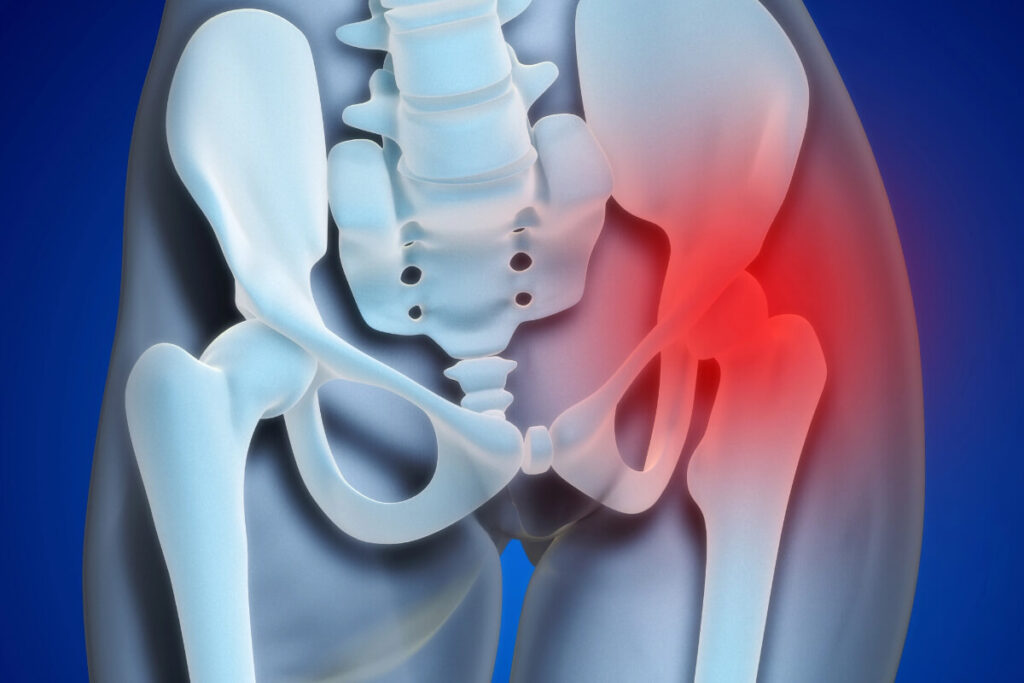
Hip impingement, also known as femoroacetabular impingement (FAI), is a common cause of hip and groin pain, especially in active individuals. It happens when the bones of the hip joint do not move smoothly, which can lead to discomfort, stiffness, and limited movement over time.
One of the most common questions patients ask is whether surgery is necessary to fix the problem. The short answer is no, not everyone with hip impingement needs surgery.
In many cases, symptoms can be managed successfully with non-surgical treatment such as physiotherapy and activity modification. However, for some people, especially those with ongoing pain or significant joint damage, surgery may be the best option.
In this article, we will explain when surgery is needed for hip impingement, when it is not, and what your treatment options look like.
What Is Hip Impingement?
Hip impingement, or femoroacetabular impingement (FAI), occurs when the ball and socket of the hip joint do not fit or move together as smoothly as they should. Over time, this can cause the bones to rub against each other, leading to pain and damage inside the joint.
There are two main types of hip impingement. Cam impingement happens when the ball of the hip joint is not perfectly round, so it cannot rotate smoothly inside the socket. Pincer impingement occurs when the socket covers too much of the ball, which can pinch the joint during movement. Some patients have a combination of both.
This extra friction can irritate or damage the cartilage and the labrum, which is the soft tissue that helps stabilise the hip. As a result, patients often experience groin pain, stiffness, reduced range of motion, and discomfort during activities like sitting, running, or bending.
Hip impingement usually develops gradually and may be more noticeable during or after physical activity.
Do You Always Need Surgery for Hip Impingement?
No, you do not always need surgery for hip impingement.
In fact, many patients are able to manage their symptoms successfully without an operation. Treatment usually starts with non-surgical options, especially if the pain is mild to moderate and not significantly affecting daily life.
The goal of early treatment is to reduce pain, improve movement, and prevent the condition from getting worse. With the right approach, some people can return to their normal activities without needing surgery at all.
Surgery is typically only considered when symptoms persist despite proper rehabilitation, or when there is clear structural damage inside the hip that is unlikely to improve on its own.
This is why an accurate diagnosis and a personalised treatment plan are important before deciding on surgery.
Non-Surgical Treatment Options
Non-surgical treatment is usually the first step for managing hip impingement, especially if symptoms are not severe.
The most important part of treatment is physiotherapy. A structured rehab programme can help improve hip strength, flexibility, and movement patterns. This reduces stress on the joint and can significantly ease pain over time.
Activity modification also plays a key role. This may involve avoiding movements that trigger pain, such as deep squatting or prolonged sitting, while staying active in ways that are more comfortable for the hip.
Pain relief can be used when needed. This may include anti-inflammatory medication or, in some cases, a guided injection into the hip joint to reduce inflammation and discomfort.
The aim of non-surgical treatment is not to change the shape of the bones, but to manage symptoms and improve function. Many patients find this approach is enough to return to their usual daily activities without surgery.
When Is Surgery Recommended?
Surgery for hip impingement is usually only recommended when symptoms do not improve with non-surgical treatment.
If you have completed a structured physiotherapy programme and still experience ongoing pain, it may be a sign that the underlying problem needs to be addressed surgically. This is especially true if the pain is affecting your daily activities, work, or ability to stay active.
Surgery may also be considered if you have mechanical symptoms such as catching, clicking, or locking in the hip. These can indicate damage to the labrum or other structures inside the joint.
Imaging, such as an MRI or CT scan, can help confirm whether there is structural damage that is unlikely to improve without surgery. If this is the case, addressing the problem early may help prevent further joint damage.
The decision to proceed with surgery is always based on a combination of symptoms, examination findings, and imaging results, rather than scans alone.
What Does Hip Impingement Surgery Involve?
Surgery for hip impingement is usually performed as a minimally invasive procedure called hip arthroscopy, also known as keyhole surgery.
During the procedure, a small camera and surgical instruments are inserted through tiny incisions around the hip. This allows the surgeon to see inside the joint and treat the underlying problem without the need for a large open operation.
The main goal of surgery is to improve how the hip joint moves. This is typically done by reshaping the bone to remove the areas causing impingement. If there is damage to the labrum, it can often be repaired at the same time.
The procedure usually takes around one to two hours, and most patients are able to go home on the same day. Because it is minimally invasive, recovery is generally quicker compared to traditional open surgery.
Recovery After Hip Impingement Surgery
Recovery after hip impingement surgery is usually gradual, with most patients returning to normal activities within a few weeks to a few months.
You will typically use crutches for a short period after the procedure to protect the hip while it begins to heal. Early movement is encouraged, and physiotherapy starts soon after surgery to help restore strength, flexibility, and normal movement.
Most patients can return to light daily activities within a few weeks. More demanding activities, including sports, may take longer depending on the extent of the surgery and your progress with rehabilitation.
A structured rehabilitation programme is an important part of recovery and plays a key role in achieving the best possible outcome. Following your physiotherapy plan closely can help reduce the risk of complications and support a safe return to activity.
What Happens If You Don’t Have Surgery?
If you do not have surgery for hip impingement, the outcome depends on how severe your symptoms are and how well they respond to non-surgical treatment.
For many people, symptoms can be managed effectively with physiotherapy and activity modification. Pain may settle, and you may be able to return to normal daily activities without significant limitations.
However, in some cases, symptoms can persist or gradually worsen over time. Ongoing friction in the hip joint may lead to further irritation or damage to the cartilage and labrum. If left untreated in more severe cases, this can increase the risk of developing early hip arthritis.
It is important to monitor your symptoms. If pain continues, affects your quality of life, or limits your ability to stay active despite proper treatment, it may be worth reconsidering surgical options with a specialist.
When Should You See a Hip Specialist?
You should consider seeing a hip specialist if your symptoms are not improving or are starting to affect your normal activities.
Persistent pain in the hip or groin, especially during activity or prolonged sitting, is one of the most common signs that further assessment is needed. Stiffness, reduced range of motion, or difficulty with movements like bending, squatting, or getting in and out of a car can also indicate an underlying issue.
If you notice clicking, catching, or locking in the hip, this may suggest damage inside the joint and should be evaluated properly.
Early assessment can help confirm the diagnosis and guide the right treatment plan, whether that involves physiotherapy or considering surgical options.
Conclusion
Hip impingement does not always require surgery, and many patients improve with the right non-surgical treatment.
Physiotherapy, activity modification, and pain management can often reduce symptoms and help you return to normal daily activities. Surgery is usually only considered when these treatments do not provide enough relief or when there is clear structural damage inside the hip.
The most important step is getting an accurate diagnosis and following a treatment plan that suits your symptoms and lifestyle. If your pain is ongoing or affecting your quality of life, seeking advice from a specialist can help you decide on the best course of action.