
How to Know If You Have Hip Impingement?
Hip impingement, also known as femoroacetabular impingement or FAI, can be difficult to recognise at first because the symptoms often feel similar to other hip, groin, or muscle-related problems.
Many patients first notice pain during exercise, after sitting for a long time, or when moving the hip into certain positions. Over time, the hip may start to feel stiff, restricted, or uncomfortable during everyday activities.
Knowing the signs of hip impingement is important because early diagnosis can help you manage symptoms before the joint becomes more irritated or damaged.
In this article, we will explain the common symptoms of hip impingement, where the pain is usually felt, what activities can make it worse, and how a specialist confirms the diagnosis.
What Is Hip Impingement?
Hip impingement, also known as femoroacetabular impingement (FAI), occurs when the ball and socket of the hip joint do not move together as smoothly as they should.
In a healthy hip, the ball-shaped top of the thigh bone moves freely inside the hip socket. With hip impingement, the shape of the ball, socket, or both can cause extra friction during movement. This can lead to pain, stiffness, and irritation inside the joint.
There are two main types of hip impingement. Cam impingement happens when the ball of the hip is not perfectly round. Pincer impingement occurs when the socket covers too much of the ball. Some patients have a combination of both.
Over time, this repeated friction can affect the cartilage and labrum, which are important structures that help cushion and stabilise the hip joint. This is why hip impingement can gradually become more painful if symptoms are ignored.
Common Symptoms of Hip Impingement
The most common symptom of hip impingement is pain in the hip or groin area. This pain may start gradually and become more noticeable during certain movements or activities.
Many patients describe a deep ache at the front of the hip, especially when sitting for long periods, squatting, bending, or exercising. The hip may also feel stiff or restricted, making it harder to move comfortably.
Other common symptoms include clicking, catching, or a pinching sensation inside the hip. Some people also notice reduced range of motion, especially when rotating the hip or bringing the knee towards the chest.
Symptoms can vary from person to person. In some cases, pain is mild and only appears after activity. In others, it can become more persistent and start to affect daily activities, work, or sport.
Where Is Hip Impingement Pain Usually Felt?
Hip impingement pain is most commonly felt in the groin or at the front of the hip.
Some patients describe it as a deep ache, sharp pinch, or uncomfortable catching sensation inside the joint. The pain may be difficult to pinpoint and can sometimes spread towards the side of the hip, thigh, or buttock.
Pain is often worse during movements that bring the hip into a bent position, such as sitting, squatting, cycling, or getting in and out of a car. It may also become more noticeable after running or playing sport.
Because hip impingement pain can feel similar to muscle strain, tendon problems, or lower back-related pain, it is important to get a proper assessment if symptoms persist.
What Activities Make Hip Impingement Worse?
Hip impingement symptoms are often made worse by activities that involve bending, twisting, or rotating the hip.
Common triggers include running, cycling, squatting, lunging, and sports that involve sudden changes of direction. These movements can place the hip in positions where the ball and socket come into closer contact, causing pain or a pinching sensation.
Prolonged sitting can also make symptoms worse, especially if the hip is kept in a bent position for a long time. Some people notice pain when driving, sitting at a desk, or getting up from a low chair.
Everyday movements such as getting in and out of a car, climbing stairs, or bending down to tie your shoes may also become uncomfortable.
If certain activities repeatedly trigger hip or groin pain, it may be a sign that the hip joint is not moving properly and should be assessed.
How Is Hip Impingement Diagnosed?
Hip impingement is diagnosed through a combination of your symptoms, physical examination, and imaging.
A specialist will usually start by asking about your pain, when it happens, where you feel it, and which activities make it worse. This helps identify whether the symptoms are likely coming from the hip joint or another area, such as the lower back or surrounding muscles.
A physical examination is then used to check hip movement, strength, and range of motion. Certain movements may reproduce the pinching or groin pain associated with hip impingement.
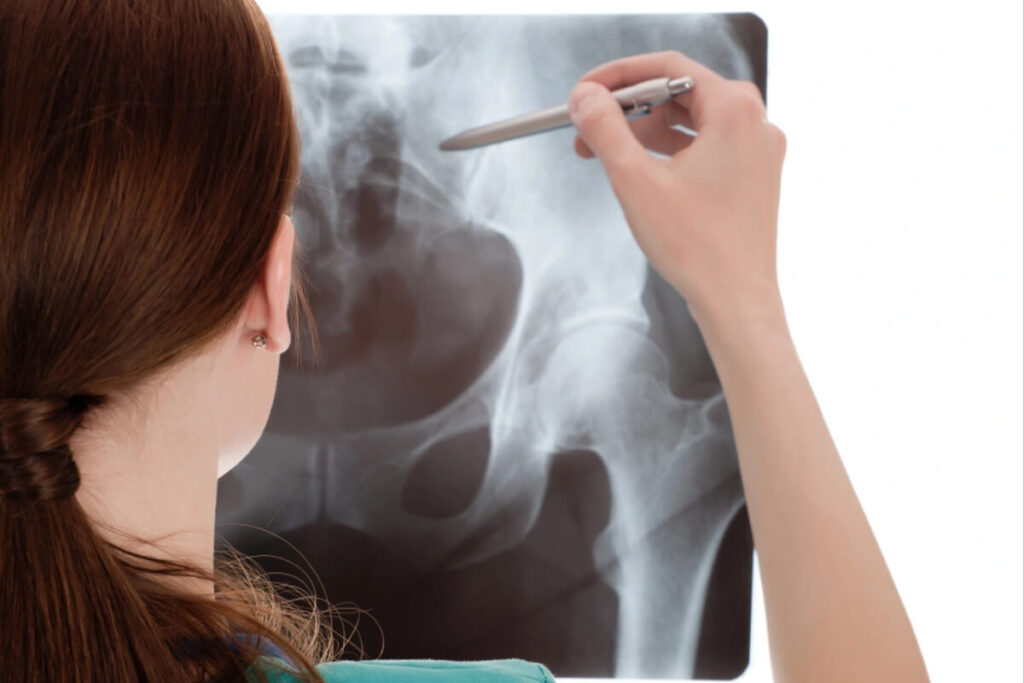
Imaging may also be needed to confirm the diagnosis. X-rays can show the shape of the hip joint, while an MRI can assess the labrum, cartilage, and soft tissues. In some cases, a CT scan may be used to look more closely at the bone structure.
A proper diagnosis is important because treatment should be based on both your symptoms and what is happening inside the joint.
Can Hip Impingement Symptoms Come and Go?
Yes, hip impingement symptoms can come and go, especially in the early stages.
You may notice pain only after certain activities, such as running, squatting, cycling, or sitting for a long time. The discomfort may settle with rest, then return when the hip is placed under stress again.
This pattern can make hip impingement easy to ignore at first. Some people assume it is just a muscle strain or general tightness, especially if the pain improves temporarily.
However, if the symptoms keep returning or gradually become more frequent, it may be a sign that the hip joint is being repeatedly irritated. Getting an assessment early can help identify the cause and reduce the risk of further joint damage.
When Should You See a Hip Specialist?
You should consider seeing a hip specialist if you have ongoing hip or groin pain that does not settle with rest or simple treatment.
This is especially important if the pain keeps coming back, affects your walking, limits your range of motion, or stops you from doing activities you normally enjoy. Pain during sitting, squatting, running, or getting in and out of a car may also suggest that the hip joint needs further assessment.
You should also seek advice if you notice clicking, catching, locking, or a sharp pinching sensation inside the hip. These symptoms may indicate irritation or damage within the joint.
A specialist can examine your hip, arrange the right imaging if needed, and confirm whether hip impingement is the cause of your symptoms. From there, they can recommend the most suitable treatment, which may include physiotherapy, activity changes, injections, or surgery if necessary.
Conclusion
Hip impingement can be difficult to recognise because the symptoms often overlap with other hip, groin, or muscle-related problems.
Common signs include groin pain, stiffness, reduced range of motion, and discomfort during activities such as sitting, squatting, running, or getting in and out of a car. Some patients may also feel clicking, catching, or a pinching sensation inside the hip.
If your symptoms keep returning or start to affect your daily life, it is worth getting a proper assessment. Early diagnosis can help identify the cause of your pain and guide the right treatment before the joint becomes more irritated or damaged.