
What Metal Is Used in ACL Reconstruction?
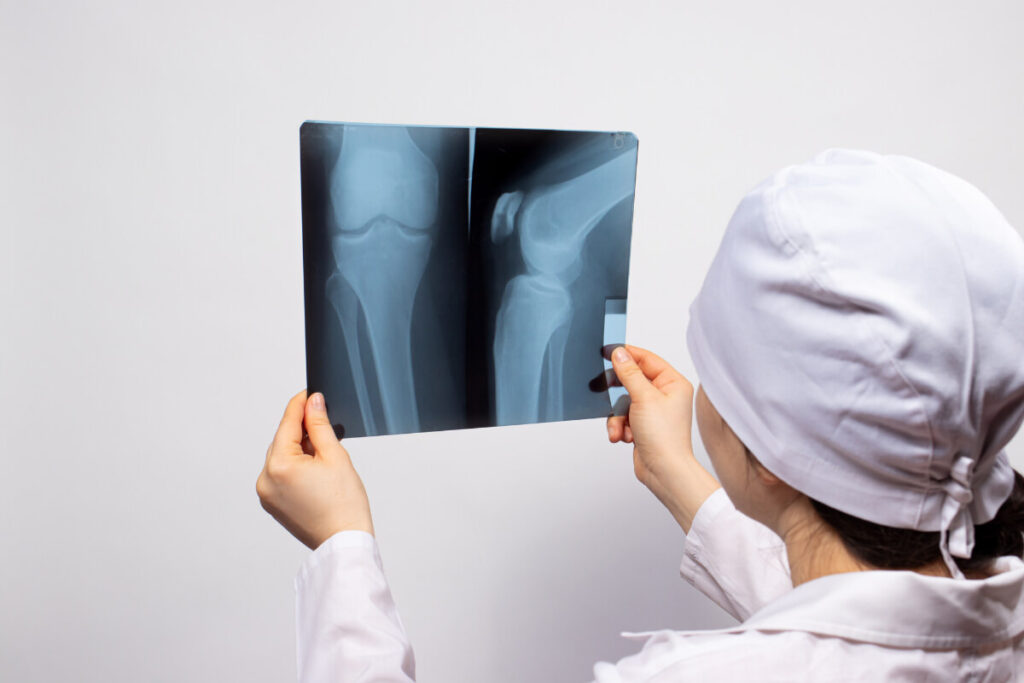
During ACL (anterior cruciate ligament) reconstruction, surgeons use screws or fixation devices to secure the new graft (the tissue that replaces the torn ligament). These implants are often made of metal or bioabsorbable materials designed to hold the graft in place while it heals.
The most common metals used are titanium and stainless steel, both known for their strength, durability, and compatibility with the human body.
Why Metal Implants Are Used in ACL Reconstruction
The reconstructed ligament is anchored into bone tunnels created in the femur (thigh bone) and tibia (shin bone). To keep the graft stable during healing, surgeons insert fixation devices such as:
- Screws
- Buttons
- Staples or anchors
These ensure the graft remains secure until it naturally integrates with the surrounding bone — a process that can take several months.
Types of Metal Used in ACL Reconstruction
1. Titanium
- Most commonly used metal in ACL surgery.
- Strong yet lightweight.
- Highly biocompatible, meaning it’s well accepted by the body.
- Resistant to corrosion and doesn’t interfere with MRI scans.
Advantages:
- Long-lasting and rarely causes allergic reactions.
- Safe for patients who might need future imaging or surgeries.
2. Stainless Steel
- Used in some older or specific fixation systems.
- Extremely durable and cost-effective.
Disadvantages:
- Slightly higher chance of irritation in rare cases.
- Can sometimes distort MRI images due to its magnetic properties (though modern alloys reduce this risk).
Alternative to Metal Implants: Bioabsorbable Screws
In many modern ACL reconstructions, surgeons use bioabsorbable screws made from materials like polylactic acid (PLA) or polyetheretherketone (PEEK).
Advantages:
- Gradually dissolve as the graft heals.
- No need for implant removal.
- Less interference with future imaging.
Considerations:
- May not be as strong as metal during early healing.
- Rarely, they can cause minor inflammation as they dissolve.
Do Metal Screws Need to Be Removed?
In most cases, no. Titanium and stainless-steel screws are designed to stay in permanently. They do not affect daily activities, sports, or travel (even airport metal detectors rarely pick them up).
However, screws may be removed if they:
- Cause irritation under the skin
- Migrate slightly
- Interfere with future knee procedures
This is uncommon and only done if symptoms develop.
Are Metal Implants Safe?
Yes — both titanium and stainless steel have been used safely in orthopaedic surgeries for decades. They are non-toxic, stable, and don’t corrode inside the body. Most patients never experience any issues related to their implants.
Conclusion
The metals most commonly used in ACL reconstruction are titanium and stainless steel, chosen for their strength, safety, and compatibility with the body. In some cases, surgeons may use bioabsorbable materials that naturally dissolve over time.
Metal implants rarely cause problems and usually don’t need to be removed. If you’re concerned about allergies, future imaging, or implant visibility, discuss your options with your orthopaedic surgeon before surgery.