
Why Is My Knee Clicking After ACL Reconstruction?
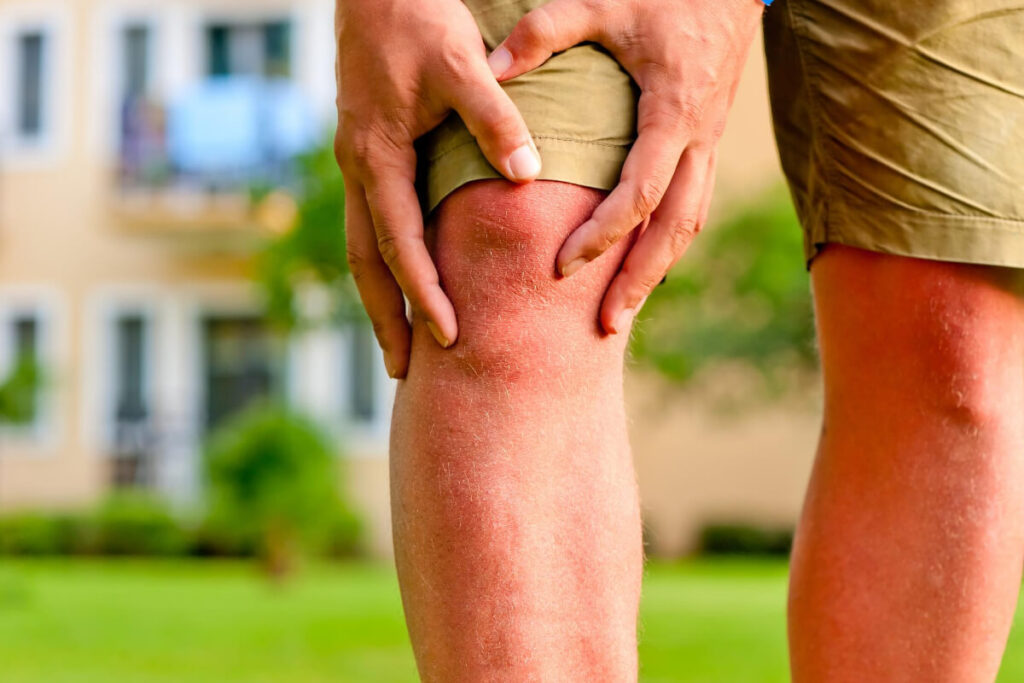
Hearing or feeling a clicking sensation in your knee after ACL reconstruction can be unsettling, especially during the early stages of recovery. In most cases, knee clicking is normal and part of the healing process. However, persistent or painful clicking could indicate an underlying issue that needs medical attention.
This guide explains the common causes of knee clicking after ACL surgery, when to be concerned, and how it can be treated.
Is Clicking After ACL Surgery Normal?
Yes — some degree of clicking, popping, or cracking is common after ACL reconstruction. It often occurs as swelling, stiffness, and scar tissue affect how the joint moves. Most patients notice the sensation gradually improves as they regain strength and flexibility.
Common Causes of Knee Clicking After ACL Reconstruction
1. Swelling and Inflammation
Post-surgery swelling can alter how the joint surfaces move against each other, causing temporary clicking or popping.
- Usually resolves as swelling decreases.
- Ice therapy and elevation help reduce inflammation.
2. Scar Tissue (Adhesions)
Scar tissue can form inside the knee as part of healing.
- May cause clicking or tightness when bending or straightening the knee.
- Regular physiotherapy helps break down adhesions and restore smooth motion.
3. Muscle Weakness or Imbalance
After ACL surgery, surrounding muscles—especially the quadriceps and hamstrings—become weak.
- This can cause the kneecap (patella) to track unevenly, leading to clicking.
- Strengthening exercises help stabilise the knee joint.
4. Meniscus or Cartilage Changes
If a meniscus tear or cartilage injury was also treated during surgery, the joint may click as tissues heal.
- Mild clicking is common during early recovery.
- Sharp or painful clicks may require re-evaluation.
5. Surgical Hardware or Graft Movement
Occasionally, clicking may come from the screws or fixation devices used to secure the graft.
- Typically harmless if pain-free.
- Persistent or painful clicking should be discussed with your surgeon.
When to Worry About Knee Clicking
While most clicking is harmless, see your surgeon or physiotherapist if you notice:
- Clicking with sharp pain or swelling
- Locking or catching of the knee joint
- Instability or giving way sensation
- Limited range of motion or stiffness that worsens over time
These may indicate complications such as excessive scar tissue, cartilage damage, or graft-related issues.
How to Manage Knee Clicking After ACL Reconstruction
1. Physiotherapy
A structured rehabilitation program helps restore proper knee motion and balance.
- Focus on quadriceps and hamstring strengthening
- Include stretching and mobility exercises
2. Control Swelling
Use ice, compression, and elevation regularly during early recovery to minimise joint pressure.
3. Gradual Return to Activity
Avoid pushing through pain or forcing range of motion too early. Follow your physiotherapist’s timeline carefully.
4. Surgical Review (If Needed)
If clicking persists beyond several months or is accompanied by pain or instability, your surgeon may recommend imaging or a minor arthroscopic procedure to address underlying causes.
Conclusion
A clicking knee after ACL reconstruction is usually a normal part of recovery, caused by swelling, scar tissue, or muscle weakness. As healing progresses and strength returns, the clicking typically decreases.
However, if the noise is painful, limits movement, or causes instability, consult your surgeon. Early assessment ensures proper healing and prevents long-term issues with your reconstructed knee.